Understanding ADHD and Autism
Attention Deficit Hyperactivity Disorder (ADHD) and Autism Spectrum Disorder (ASD) are two neurodevelopmental conditions that primarily affect children, impacting their behavior, communication, and social interaction. ADHD is characterized by symptoms such as inattention, hyperactivity, and impulsiveness. Children with ADHD may struggle to focus on tasks, follow instructions, and often experience difficulty in regulating their emotions. These challenges can lead to frustration and require supportive environments to facilitate better concentration and learning.
On the other hand, Autism Spectrum Disorder encompasses a wide range of symptoms that can vary significantly in severity. Affected children may exhibit challenges in social communication, an aversion to changes in routine, and heightened sensitivities to sensory stimuli. This can result in overwhelming experiences in everyday situations, contributing to anxiety and stress. Children with ASD may also engage in repetitive behaviors, which can serve as a way to self-soothe or manage sensory overload.
The overlap in symptoms of ADHD and ASD can pose significant challenges for children. Both conditions can lead to difficulties in forming friendships, participating in group activities, and succeeding in academic settings. The emotional and sensory challenges often make it hard for these children to adapt to their environments, leading to potential behavioral issues. Understanding these disorders is crucial for parents, educators, and caregivers, as it paves the way for the incorporation of effective coping strategies and tools. Fine-tuning approaches that cater to individual needs can greatly improve the daily life of a child with ADHD or ASD, promoting a more fulfilling experience and enhancing their overall quality of life.
The Role of Fidget Toys in Calming Techniques
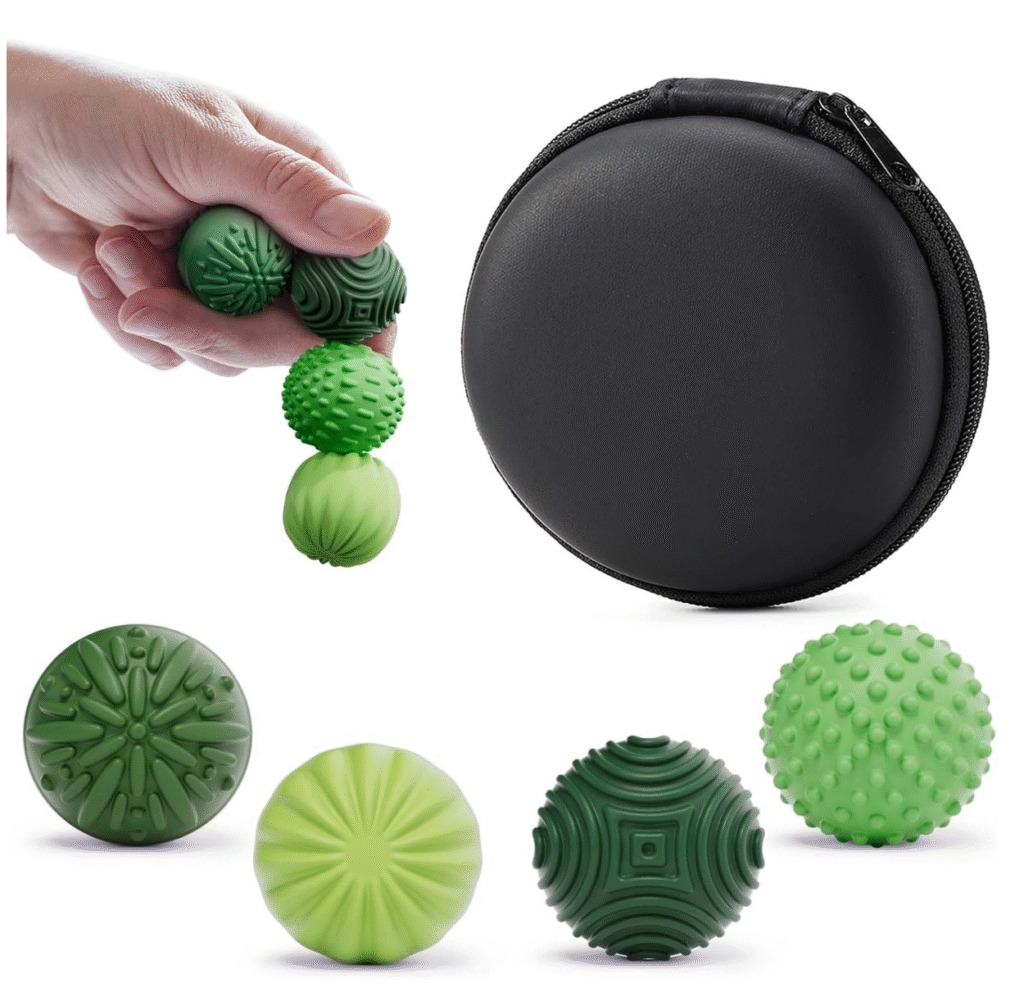
Fidget toys, such as silicone magnetic balls, serve a significant purpose in alleviating stress and enhancing focus in children with ADHD, autism, and other anxiety-related conditions. The underlying science suggests that fidgeting can stimulate the nervous system, facilitating a sense of calmness and improving concentration. When children engage with these tactile objects, they often find a boost in their ability to manage overwhelming emotions or distractions.
The mechanisms by which fidget toys function are noteworthy. When an individual fiddles with a fidget toy, the repetitive motion and tactile feedback can channel their nervous energy productively. This process enables kids to redirect their attention away from stressors, allowing them to focus on tasks at hand, whether academic or recreational. For children with ADHD, the engagement with silicone magnetic balls can mitigate impulsive behaviors and enhance task completion. Similar effects have been observed in individuals with autism, where structured fidgeting provides a comforting ritual that promotes focus and reduces anxiety.
Furthermore, tactile stimulation is a critical aspect of how fidget toys enhance well-being. The texture and movement offered by silicone magnetic balls can ground individuals in stressful situations by providing sensory feedback that distracts from anxiety. This grounding effect is especially beneficial for those who are prone to sensory overload, as it offers a simple and accessible coping mechanism. In various settings—from classrooms to homes—fidget toys can seamlessly integrate into daily routines, providing an easy outlet for stress relief.
In conclusion, the role of fidget toys extends beyond mere play; their function as calming tools is backed by scientific principles that highlight their effectiveness in enhancing focus, reducing anxiety, and offering a reliable source of tactile stimulation. For children with ADHD and autism, as well as for anyone experiencing everyday stress, silicone magnetic balls can provide significant benefits in overall emotional regulation and mental clarity.
Why Choose Silicone Magnetic Balls?
Silicone magnetic balls represent a modern evolution in the domain of fidget toys, particularly for children with ADHD, autism, and those experiencing everyday stress. One of the standout features of these toys is the use of silicone, a material known for its softness and flexibility. This sensory property makes silicone magnetic balls comforting to the touch, which can be especially beneficial for children who seek tactile feedback. Unlike traditional fidget toys that may be rigid or uncomfortable, silicone’s unique texture allows for prolonged play without causing irritation, making it an ideal choice for young users.
The incorporation of magnets further enhances the appeal of silicone magnetic balls. The magnetic aspect encourages creativity, sparking imaginative play as children create various shapes and structures. This not only keeps them engaged but also promotes fine motor skills, which are crucial for their overall development. As children manipulate the balls, they unknowingly practice hand-eye coordination and dexterity while enjoying the therapeutic benefits of fidgeting. Such active engagement can help channel their energy more productively, leading to improved focus and a sense of accomplishment.
In addition to their engaging features, safety is a paramount consideration when selecting toys for children. Silicone magnetic balls are often designed to be non-toxic and durable, ensuring they can withstand the rigors of daily use without compromising safety. This makes them suitable for a wide age range, giving parents peace of mind. The combination of tactile comfort, creative potential, and safety features solidifies silicone magnetic balls as a top choice in the expanding market of fidget toys, ultimately providing valuable support for children in need of stress relief and sensory engagement.
Incorporating Magnetic Balls into Daily Routines
Integrating silicone magnetic balls into the daily routines of children with ADHD, autism, and those coping with anxiety can yield significant benefits. By providing tactile stimulation, these fidget toys can help improve focus, emotional regulation, and reduce stress levels. Caregivers and educators can adopt several strategies to ensure that these toys have a positive impact on children’s lives.
At home, setting aside specific times for fidgeting can be beneficial. For instance, children can use magnetic balls during homework sessions or while watching television. Creating a designated “fidget time” encourages children to engage with the toys purposefully, allowing them to channel their energy effectively. Additionally, incorporating a fidget corner in the home—filled with magnetic balls and other sensory toys—provides a dedicated space for emotional self-regulation and stress relief.
In school settings, educators can incorporate silicone magnetic balls during lessons or quiet times. Allowing students to use these toys at their desks can help maintain focus during instruction, as the physical engagement with the balls can lead to improved attention spans. Further, teachers can introduce short brain breaks where children can manipulate the magnetic balls to recharge before returning to academic tasks. This practice promotes relaxation and can assist in minimizing classroom anxiety.
During therapy sessions, mental health professionals can utilize magnetic balls as part of coping strategies. By encouraging children to fidget with the balls while discussing feelings or emotions, therapists can help kids express themselves more freely. This act of fidgeting provides a dual benefit: it facilitates emotional expression while simultaneously aiding concentration on the therapeutic process.
The application of silicone magnetic balls varies widely, and when employed thoughtfully, they can enhance focus and emotional regulation in children. By facilitating these engaging experiences, caregivers and educators can help children navigate their daily challenges with more ease and confidence.