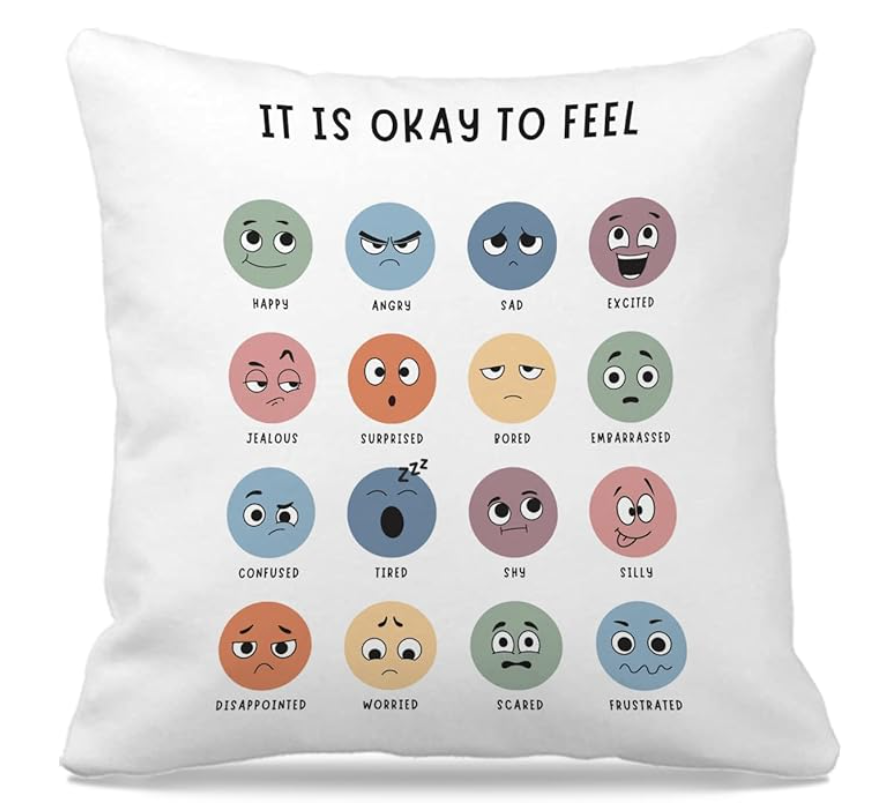
Understanding Emotional Pillow Covers
Emotional pillow covers represent a unique approach to emotional awareness and expression in our living spaces. These specially designed pillow covers are adorned with a variety of colors, phrases, and images that symbolize different emotions. For instance, a cover may depict calming blues and greens to represent tranquility or vibrant reds and yellows to convey happiness and energy. Each design serves not only as decorative elements but also as visual cues that resonate with our emotional states.
The primary purpose of emotional pillow covers is to promote emotional literacy—an understanding of one’s feelings and the ability to communicate them effectively. By displaying specific emotions visually, these pillow covers create an environment that encourages reflection and dialogue about feelings. This is particularly valuable in therapeutic settings, where emotional expression is essential for healing and personal growth. Moreover, they provide individuals with the tools to articulate their experiences and mood in a non-verbal manner, fostering connections with others.
The trend of integrating emotional pillow covers into home decor is on the rise, reflecting a broader societal shift towards valuing mental health and emotional well-being. Home environments are increasingly recognized as crucial spaces for self-expression, where individuals can curate their surroundings to reflect their inner lives. In such contexts, emotional pillow covers serve not only a decorative purpose but also a therapeutic one, enhancing comfort and support. As the demand for innovative tools that aid emotional exploration grows, emotional pillow covers offer an accessible and visually appealing solution that resonates with diverse audiences.
Supporting Emotional Development in Children
Emotional pillow covers serve as an innovative resource that can significantly aid in the emotional development of children. These covers, often adorned with various expressions and feelings, can help children identify and articulate their emotions more effectively. By integrating these pillow covers into educational settings, educators can create a conducive environment for discussing emotions, which is crucial for developing emotional intelligence.
In many classrooms, emotional pillow covers can facilitate structured conversations around feelings. For instance, during circle time, teachers can encourage students to pick a pillow cover that resonates with their current emotions. This practice not only helps in identifying feelings but also encourages peer dialogue, allowing children to share their thoughts and experiences openly. Such discussions can cultivate a sense of empathy among peers, as they gain insights into each other’s emotional worlds.
Moreover, emotional pillow covers can serve as tools for role-playing activities, allowing children to practice emotional regulation skills in a safe space. By acting out scenarios involving various emotions depicted on the covers, children can learn to manage their reactions and develop coping strategies. This hands-on approach to emotional learning not only fosters understanding but also equips children with the necessary skills to navigate their feelings in real-life situations.
Furthermore, parents can also utilize emotional pillow covers at home to reinforce the lessons learned in educational settings. For example, during bedtime routines, parents can ask children about their favorite pillow cover and encourage discussions about the emotions represented. This continued conversation at home builds a strong foundation for emotional awareness and regulation, further supporting a child’s growth.
In summary, emotional pillow covers provide a unique and effective means of supporting emotional development in children, encouraging them to articulate their feelings while enhancing their emotional intelligence through various practical applications.
A Therapeutic Addition to Professional Spaces
Emotional pillow covers serve as a valuable tool for therapists, enhancing the environment in which therapeutic sessions occur. By integrating these unique items into their offices, therapists can create a more welcoming and safe atmosphere for clients. This design approach is particularly beneficial in alleviating anxiety and fostering open communication, crucial elements in successful therapy.
The use of emotional pillow covers can significantly influence the dynamics of therapy sessions. The tactile and visual appeal of these covers not only softens the aesthetic of the office but also encourages clients to express their feelings. The various emotions represented on the pillow covers serve as conversation starters, enabling clients to articulate their thoughts and emotions more comfortably. This aspect is vital for therapists who aim to cultivate an atmosphere where clients feel free to explore their feelings without judgment.
To effectively integrate emotional pillow covers into therapeutic practices, therapists can utilize a variety of techniques. For instance, during the initial consultation, therapists might introduce the pillow covers, inviting clients to select one that resonates with their current emotional state. This selection process can spark dialog about the client’s feelings, paving the way for deeper discussions throughout the session. Furthermore, therapists may alternate the covers regularly, encouraging clients to reflect on their emotional journey and how their feelings evolve over time.
Additionally, therapists can position these pillow covers in seating areas where clients feel most at ease, allowing for a more relaxed interaction. The presence of these items can subtly remind clients that their emotions are valid, reinforcing the notion that therapy is a safe space for self-exploration. By embracing emotional pillow covers as therapeutic additions, professionals can enhance client experiences, ultimately enriching the overall process of healing and personal growth.
Additional Benefits of Emotional Pillow Covers
Emotional pillow covers offer a multitude of advantages beyond their primary purpose of promoting emotional well-being. One significant benefit is their role in stress relief. The tactile nature of pillows can provide comfort during moments of anxiety or distress. By embracing an emotional pillow cover, individuals can experience a grounding effect, allowing them to focus on their feelings in a safe, supportive environment. These covers often feature comforting designs and affirmations, which can help lift spirits and create a calming atmosphere, enhancing stress management strategies.
Moreover, emotional pillow covers can serve as powerful tools for mood enhancement. The visual appeal of vibrant colors and inspirational quotes can elevate one’s emotional state, subtly encouraging positive thinking. Whether placed on a sofa, bed, or chair, these pillows have the ability to transform spaces into sanctuaries of comfort and reflection. They not only act as physical objects of beauty but also become catalysts for meaningful conversations about emotional health and personal experiences.
Another notable advantage of emotional pillow covers is their potential as personalized gifts. They can be customized to reflect the recipient’s personality or emotional journey, fostering deeper connections between individuals. Giving or receiving an emotional pillow cover can signify understanding, support, and empathy, strengthening relationships through thoughtful gestures. Their value transcends aesthetic appeal, as the emotional significance imbued in these gifts often resonates more profoundly than traditional presents.
In addition to their functional benefits, emotional pillow covers contribute to home décor, adding a unique touch to interior design. They offer an opportunity to incorporate themes of emotional well-being into everyday life. By adorning living spaces with these decorative pieces, individuals not only enhance their aesthetic but also create an inviting atmosphere where feelings and emotions can be openly discussed and explored. Thus, emotional pillow covers serve as both beautiful decorations and meaningful tools for growth and comfort.