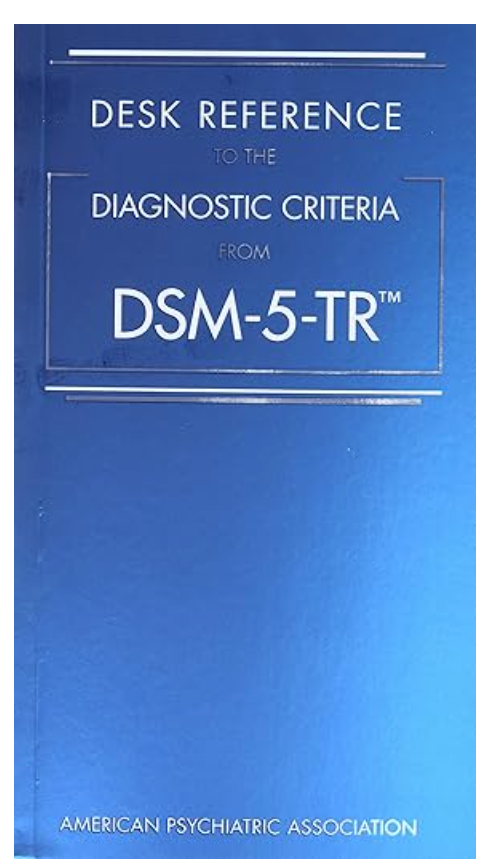
Introduction to the DSM-5
The Diagnostic and Statistical Manual of Mental Disorders, Fifth Edition (DSM-5), serves as a fundamental resource for mental health professionals worldwide. Published by the American Psychiatric Association (APA) in 2013, the DSM-5 is the most current edition in a series of manuals that dates back to the first edition published in 1952. It plays a critical role in the classification and diagnosis of mental health disorders, encompassing a comprehensive list of symptoms, diagnostic criteria, and associated features for various psychiatric conditions.
The primary purpose of the DSM-5 is to provide standardized language and criteria for diagnosing mental health disorders. This is essential for ensuring consistency and accuracy in diagnoses, thereby facilitating effective treatment. With numerous mental health conditions listed—from anxiety disorders and mood disorders to psychotic disorders—the DSM-5 acts as a guiding framework for clinicians to assess and understand the complexities of patients’ mental health. The DSM-5 is not merely a diagnostic tool but also plays a crucial role in education, research, and healthcare policy.
Historically, the evolution of the DSM reflects changing societal attitudes and advancements in psychiatric research. Each edition has integrated new findings and reexamined prior understandings of mental disorders. The transition from DSM-IV to DSM-5 marked significant changes, including the reclassification of certain disorders and the introduction of new diagnostic criteria to enhance clinical relevance. While the DSM-5 is widely utilized by clinicians, its impact extends beyond direct diagnosis, influencing insurance reimbursement practices, treatment guidelines, and research endeavors in the field of mental health.
The Importance of the DSM-5 in Mental Health Care
The Diagnostic and Statistical Manual of Mental Disorders, Fifth Edition (DSM-5), serves a pivotal role in the contemporary landscape of mental health care. Clinicians utilize this comprehensive manual as an essential tool to accurately diagnose various mental disorders, which is crucial for effective treatment planning. By affirming the validity of specific diagnoses, the DSM-5 facilitates the implementation of targeted therapeutic interventions, ensuring that patients receive the most appropriate care tailored to their unique needs.
Moreover, the DSM-5 standardizes the diagnostic criteria for mental health conditions, which is vital for maintaining consistency in the diagnosis process across different practitioners and institutions. This uniformity enhances communication among mental health professionals, allowing them to share insights and strategies based on a mutual understanding of diagnosis. Such collaboration is fundamental for advancing clinical practices and fostering research in mental health, as standardized diagnoses enable comparative studies and the development of evidence-based approaches to treatment.
The implications of accurate diagnoses extend beyond the clinical setting. An established diagnosis as per the DSM-5 can significantly influence insurance reimbursement processes, as many insurers require formal diagnoses for the authorization of mental health services. In legal contexts, the DSM-5 assists in providing clear and consistent frameworks for assessing mental competency and understanding behavioral issues in cases such as custody disputes or criminal defenses. Thus, the importance of the DSM-5 in mental health care is multi-faceted, providing both a foundation for clinical practice and a structural support that underpins the broader mental health system.
Educational Uses of the DSM-5
The Diagnostic and Statistical Manual of Mental Disorders, Fifth Edition (DSM-5), serves as an essential educational tool for students pursuing careers in psychology, psychiatry, and social work. It provides an extensive and comprehensive framework for understanding a wide range of mental health disorders. By offering detailed descriptions of symptoms, diagnostic criteria, and treatment options, the DSM-5 facilitates a deeper comprehension of these conditions, enabling students to learn effectively about the complexities of mental health.
One fundamental role of the DSM-5 in educational settings is its ability to guide students in identifying and classifying various mental health disorders. The structured approach outlined in the DSM-5 aids learners in distinguishing between different disorders, understanding common symptoms and their implications, and recognizing the nuances involved in diagnosis. This clarity is crucial for aspiring mental health professionals who must be adept at diagnosing disorders accurately to provide appropriate interventions.
Additionally, the DSM-5 promotes the development of critical thinking skills among students. By engaging with the manual, learners are encouraged to analyze case studies, confront diagnostic dilemmas, and consider ethical implications of their assessments. This analytical approach fosters a well-rounded education, preparing future professionals to navigate the complexities of mental health interventions with empathy and insight.
Moreover, the DSM-5 plays a substantial role in informing treatment strategies. Students gain an understanding of various therapeutic options available for different disorders, enriching their knowledge of evidence-based practices. By integrating the manual’s frameworks into their educational curriculum, institutions help foster a new generation of mental health professionals equipped with both theoretical knowledge and practical insights. Ultimately, the DSM-5 serves as a vital resource that enhances educational outcomes and promotes effective mental health service delivery.
What the DSM-5 Is Not: Limitations and Misuses
The Diagnostic and Statistical Manual of Mental Disorders, Fifth Edition (DSM-5), is often misunderstood, leading to various misconceptions regarding its role in mental health assessments. A common misinterpretation is the idea that individuals can self-diagnose their mental health conditions using the DSM-5 criteria. While the manual provides valuable information about various disorders, it is primarily designed for use by trained professionals, such as psychologists, psychiatrists, and licensed mental health practitioners. This reliance on the expertise of trained professionals is crucial, as misinterpretation of DSM-5 criteria can culminate in inaccurate diagnoses and inappropriate treatments.
Attempting to self-assess mental health concerns through the DSM-5 can pose significant risks. For instance, a person may identify certain symptoms they are experiencing and erroneously conclude that they have a specific disorder. This often occurs because the individual may not fully understand the complexities and nuances associated with diagnostic criteria. Moreover, mental health conditions share overlapping symptoms, which can lead to confusion and further misdiagnosis when assessed without clinical experience. Engaging in self-diagnosis may also deter individuals from seeking necessary professional help, thus delaying treatment and exacerbating the condition.
Another limitation of the DSM-5 is that it does not account for the rich diversity of human experiences or the sociocultural factors influencing mental health. Diagnoses are often simplified categories that may overlook the intricacies of an individual’s context, leading to a one-size-fits-all approach to treatment. Therefore, relying solely on the DSM-5 for self-assessment can lead to oversimplified views of mental health, which fails to acknowledge individual differences and the importance of personalized care.
In light of these limitations, it is essential to seek professional guidance for mental health concerns rather than using the DSM-5 as a DIY diagnostic manual. A qualified mental health practitioner can provide comprehensive evaluations that consider the full range of symptoms, medical history, and contextual factors influencing an individual’s mental well-being.